Israel's October 27 election: the parties, the polls and how a government is formed
Thirty-seven parties are running for 120 Knesset seats. Polls show neither Netanyahu's bloc nor the opposition near 61, which puts the weight on coalition talks after the vote.
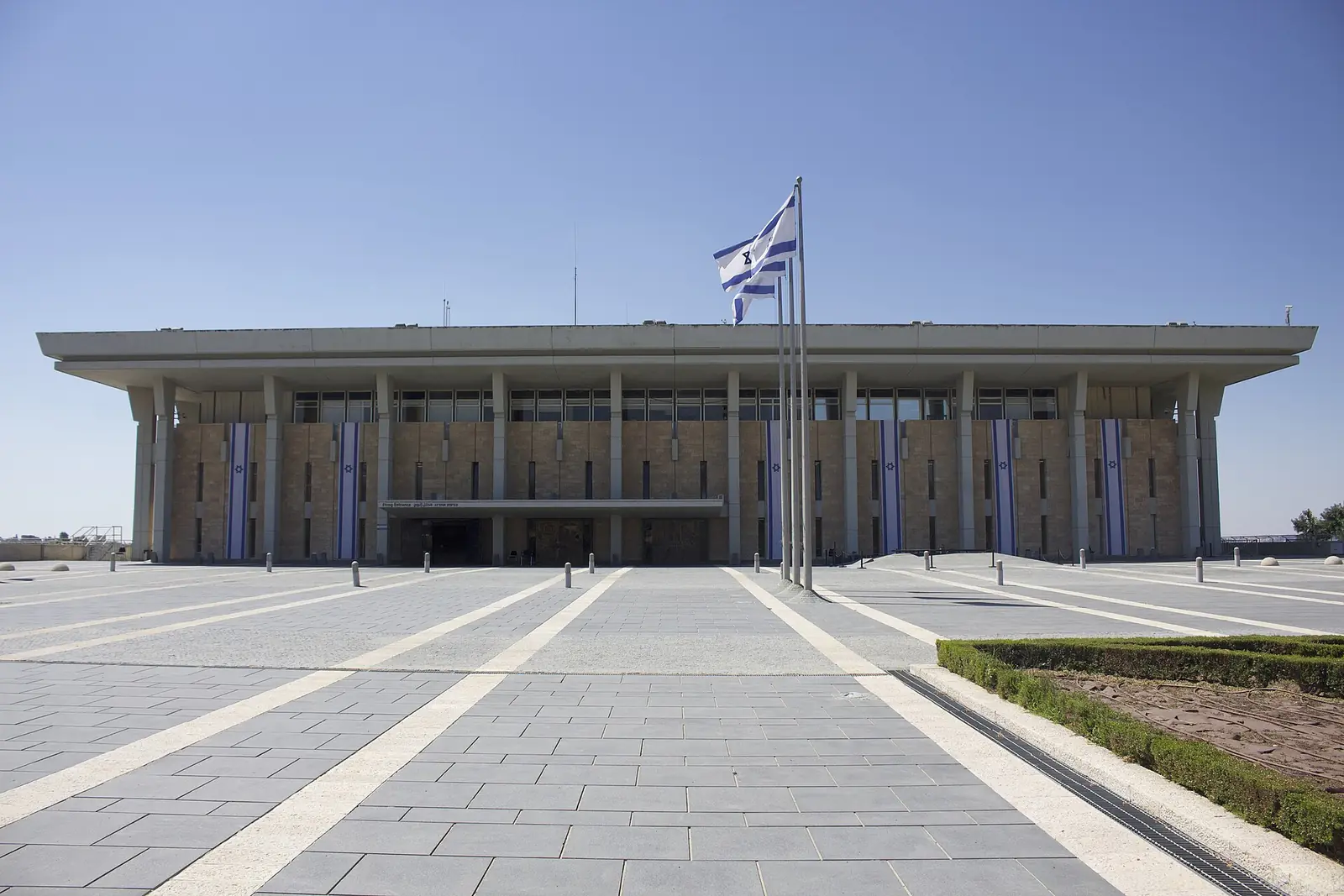
Israelis vote on Tuesday, October 27, for the 120-member Knesset, in the first national election since the Hamas-led attack of October 7, 2023. Thirty-seven parties are on the ballot and about 7.33 million people are eligible to vote, according to The Times of Israel's party guide. Israel does not elect its prime minister directly: whoever can command a majority of 61 lawmakers forms the government.
The threshold
A party must win 3.25% of the vote to enter the Knesset; votes for parties below it are lost, The Times of Israel explains. That rule shaped the campaign's last week. On October 19 Benny Gantz withdrew his Blue and White party, which polls had consistently shown below the threshold, The Times of Israel reported. Because the withdrawal came so late, the party stays on the ballot, but votes cast for it will be wasted. Foreign Minister Gideon Sa'ar then urged right-wing parties near the threshold to follow suit.
The two blocs
According to The Times of Israel's guide and a Jerusalem Post explainer:
- Netanyahu's bloc: Likud (Benjamin Netanyahu), Shas (Aryeh Deri), United Torah Judaism, Religious Zionism (Bezalel Smotrich), Otzma Yehudit (Itamar Ben Gvir) and People of Israel (Ofer Winter), which has pledged to back Netanyahu but is near the threshold.
- The opposition: Yashar (Gadi Eisenkot, a former military chief of staff), B'Yachad (Naftali Bennett, with Yair Lapid second on the list), Yisrael Beytenu (Avigdor Liberman) and The Democrats (Yair Golan).
- Arab-led parties: the Joint List (Yousef Jabareen) and Ra'am (Mansour Abbas).
- Uncommitted: the Reservists–Economic Party of Yoaz Hendel, polling near the threshold.
Five opposition leaders signed a non-aggression pact on September 26 to unseat Netanyahu, Al Jazeera reported.
What the leading challengers say
Eisenkot campaigns for professional government, military service for all including ultra-Orthodox men, and a state commission of inquiry into the failures before October 7, Al Jazeera reported. Bennett and Lapid want a government of Zionist parties only. Liberman rules out serving under Netanyahu or sitting with ultra-Orthodox or Arab parties. Golan is the only one of the group open to working with Arab parties.
The Jerusalem Post identifies ultra-Orthodox conscription and an October 7 inquiry as central issues; Likud has proposed a political commission instead of a state one. Netanyahu faces three domestic criminal cases and an International Criminal Court arrest warrant, the Post notes.
The polls
A Channel 12 poll on October 19 projected Yashar at 24 seats, Likud 21 and B'Yachad 14, giving the anti-Netanyahu bloc 55 seats, Netanyahu's bloc 51 and the two Arab-led parties 14, The Times of Israel reported. Haaretz's tracker, cited by Al Jazeera, showed the Yashar-led opposition at 52 and Netanyahu's coalition at 51. Polls differ by outlet and pollster, and none of those cited shows either bloc reaching 61 without the Arab-led parties, whom most Zionist opposition parties have ruled out as partners.
How a government is formed
The Times of Israel sets out the steps:
- After the results, President Isaac Herzog consults every party that entered the Knesset and asks the lawmaker most likely to form a government to try. That need not be the leader of the largest party.
- That candidate has 28 days, extendable by 14.
- If they fail, the president can give a second lawmaker 28 days, with no extension.
- If that fails, 61 lawmakers can ask the president to give the task to a named member, who then has 21 days.
- A government takes office by winning a Knesset confidence vote. A minority government is possible if abstentions leave it with more votes for than against.
- If every attempt fails, Israel holds another election. Netanyahu remains caretaker prime minister until a new government is sworn in.
Practicalities
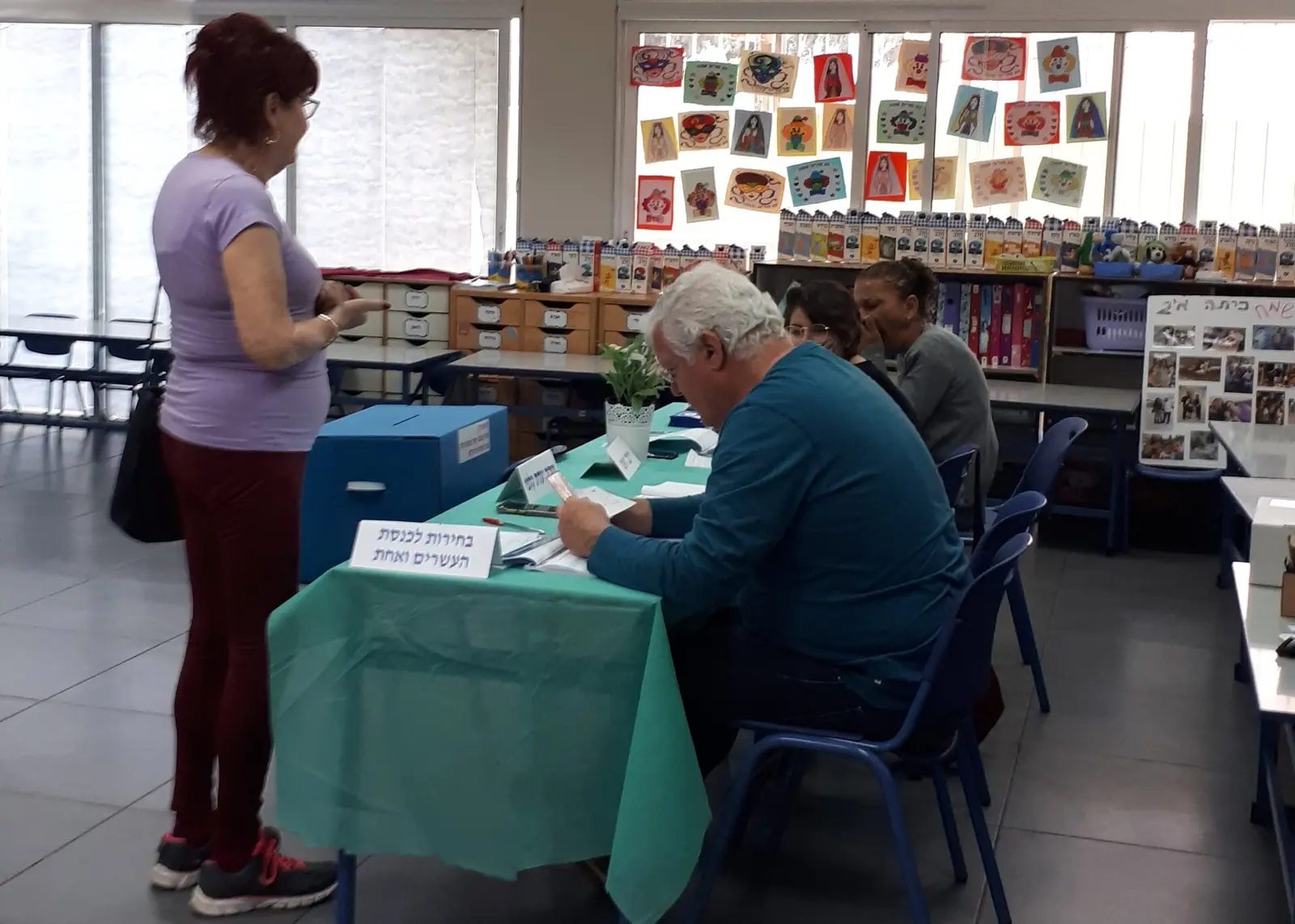
Voters choose a party list, not an individual candidate: in the booth they pick a ballot slip identified by the party's letter or letters, according to The Times of Israel. Ballots are distributed to polling stations from the Central Elections Committee warehouse in Shoham.
Still open
- Seat projections vary by pollster; the Channel 12 and Haaretz figures cited here differ by several seats for the opposition.
- Whether parties near the threshold, such as People of Israel and the Reservists, will pass it could change the bloc arithmetic.
- Liberman's position after the vote is uncertain; some analysts quoted by Al Jazeera say he could return to Netanyahu's bloc.
The record 6 reports
The reports this article is built from; 6 were read in full for it. Each link opens the outlet's own page.
- The Times of IsraelreadEverything you need to know: ToI's guide to the 37 parties that Israelis can (finally) choose fromOct 19, 2026
- The Jerusalem PostreadIsrael Election 2026: The parties, blocs and battles that will shape Israel's futureSep 3, 2026
- Oct 17, 2026
- Oct 19, 2026
- The Times of IsraelreadBlue and White's Benny Gantz pulls out of race, sealing precipitous political fallOct 19, 2026
- Oct 19, 2026