How protests spread across Europe from September to October 2026, and what links them
Demonstrations that began at a Paris high school on September 17 have been followed by protests in Spain, Belgium, Italy, Portugal and Albania. Reporters and analysts describe shared grievances but separate, uncoordinated movements.
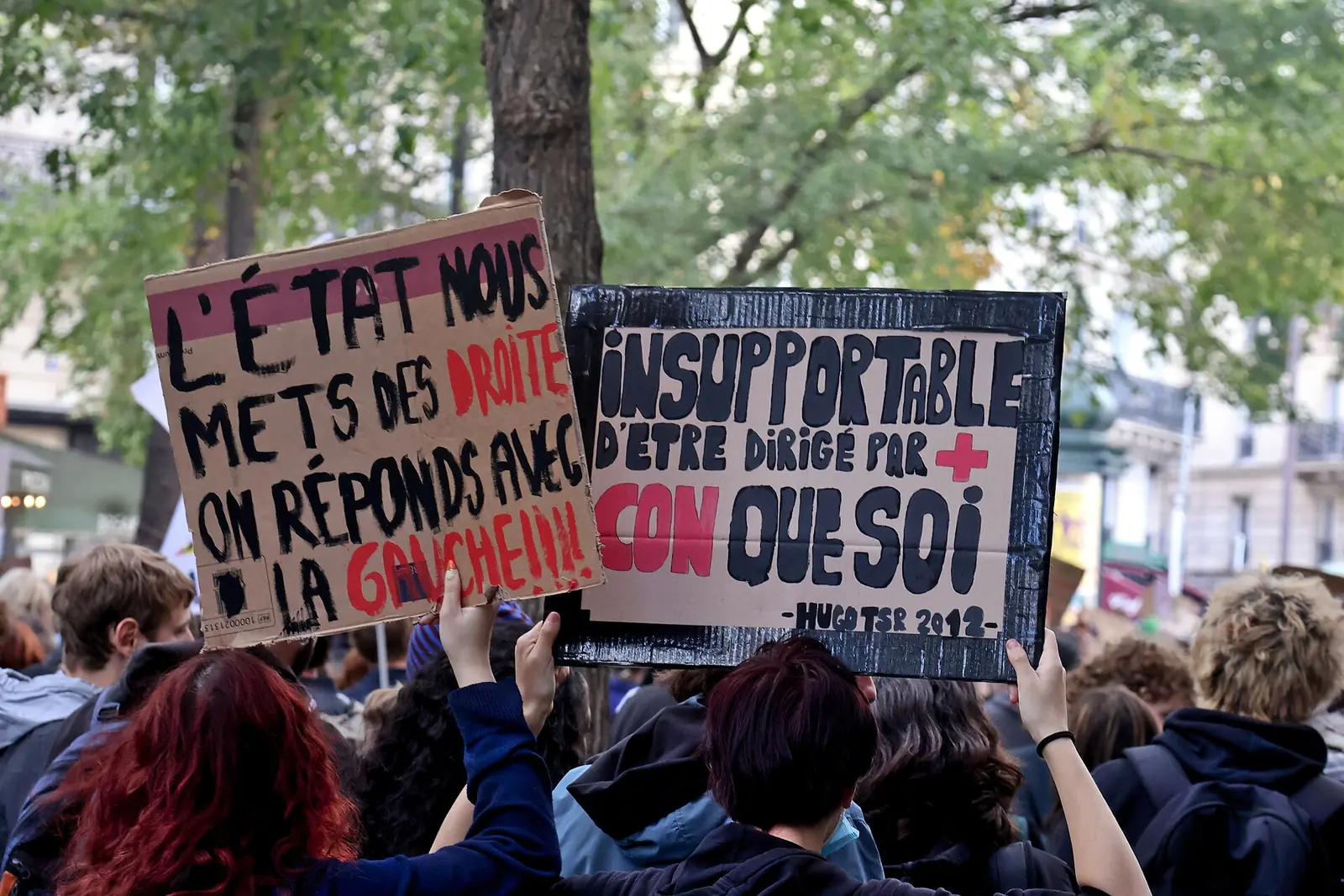
Protests have spread to at least six European countries since mid-September 2026, beginning in France and followed by Spain, Belgium, Italy, Portugal and Albania, according to an explainer by ABC News Australia published on October 20. Al Jazeera describes the demonstrations as separate and uncoordinated, and the Associated Press points to a common set of pressures: fuel and living costs, underfunded schools, weaker public services and housing.
The sequence
ABC lists the first recorded demonstrations in each country:
- France, September 17: teachers at a high school in south-eastern Paris protested over staff shortages; students joined, and the movement broadened to living costs and public-sector cuts.
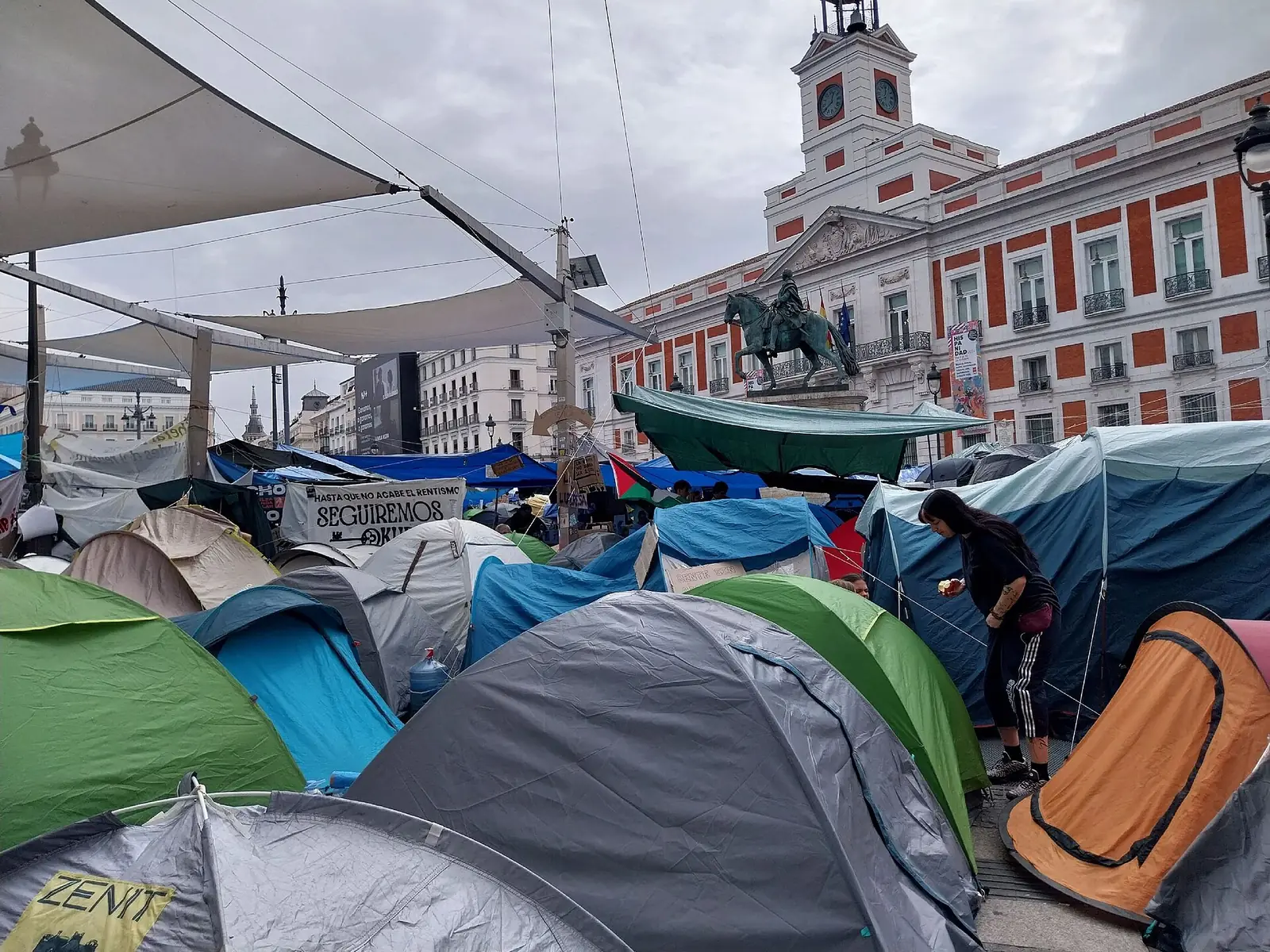
- Spain, September 26: protests began in Madrid after an 87-year-old woman was evicted from her home of 70 years by an investment firm that had raised her rent by 230 per cent. She died in hospital two weeks later, ABC reports.
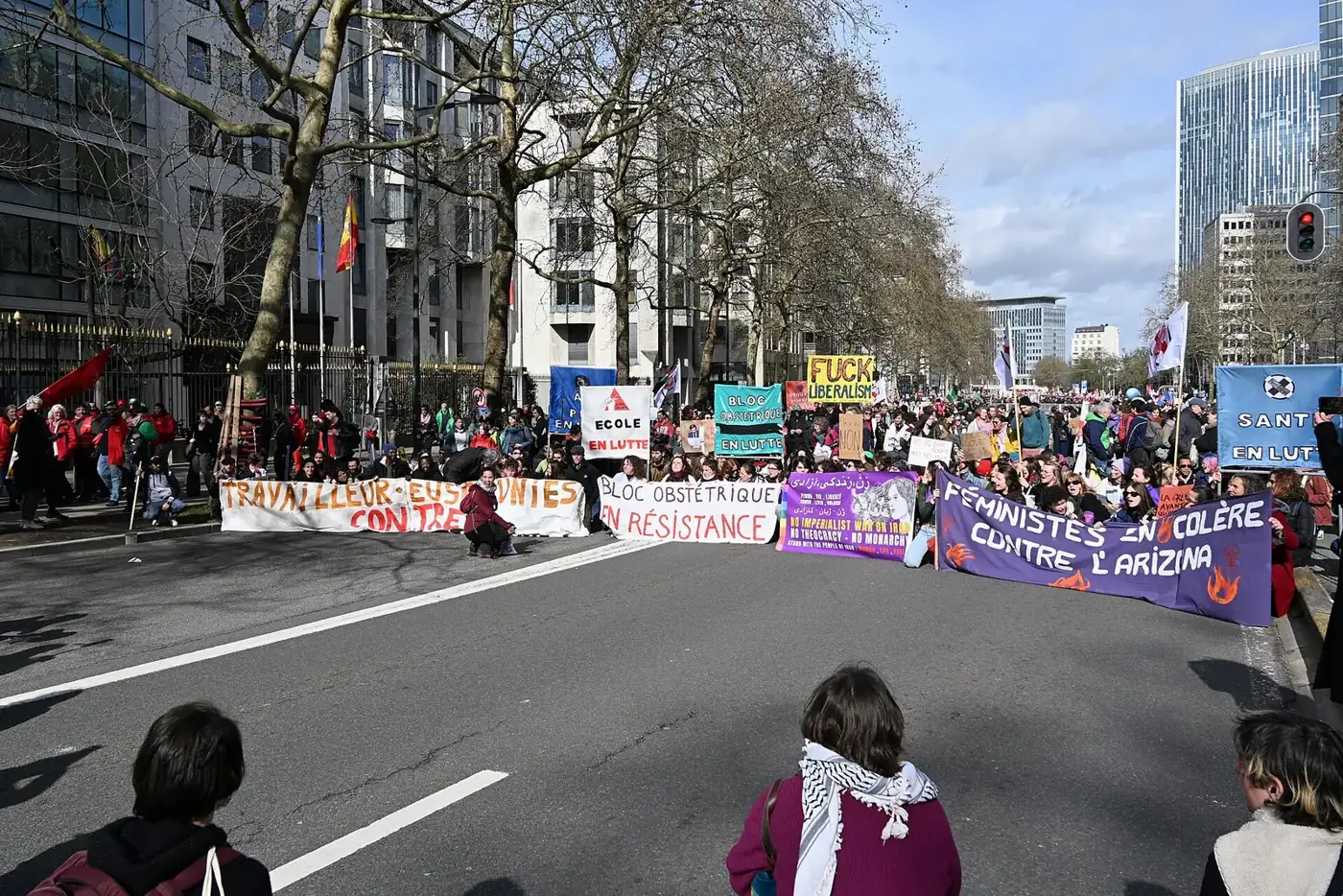
- Belgium, October 1: students in French-speaking Belgium rallied over the education system.
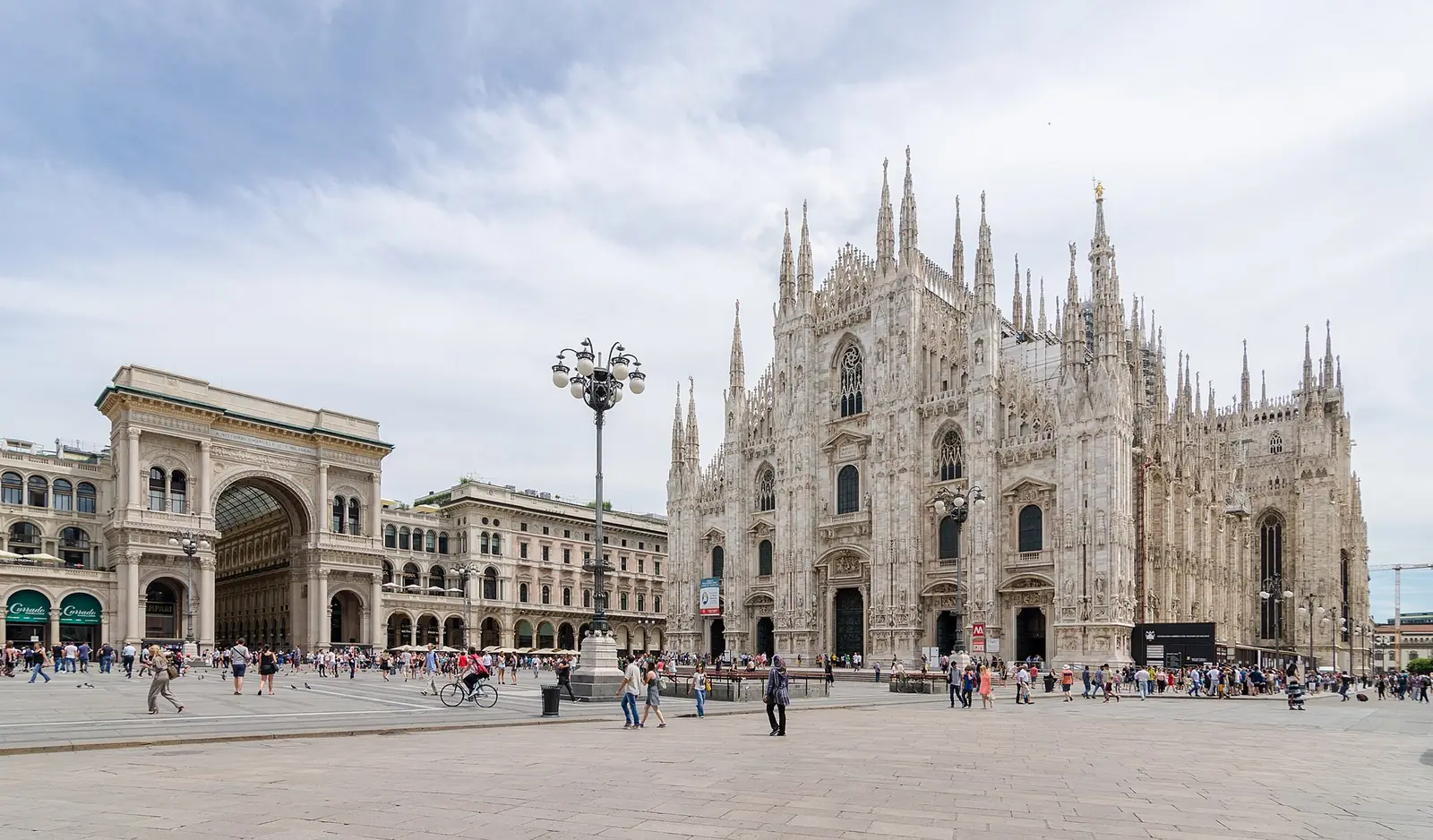
- Italy, October 5: demonstrations in the north over living costs, public services and education.
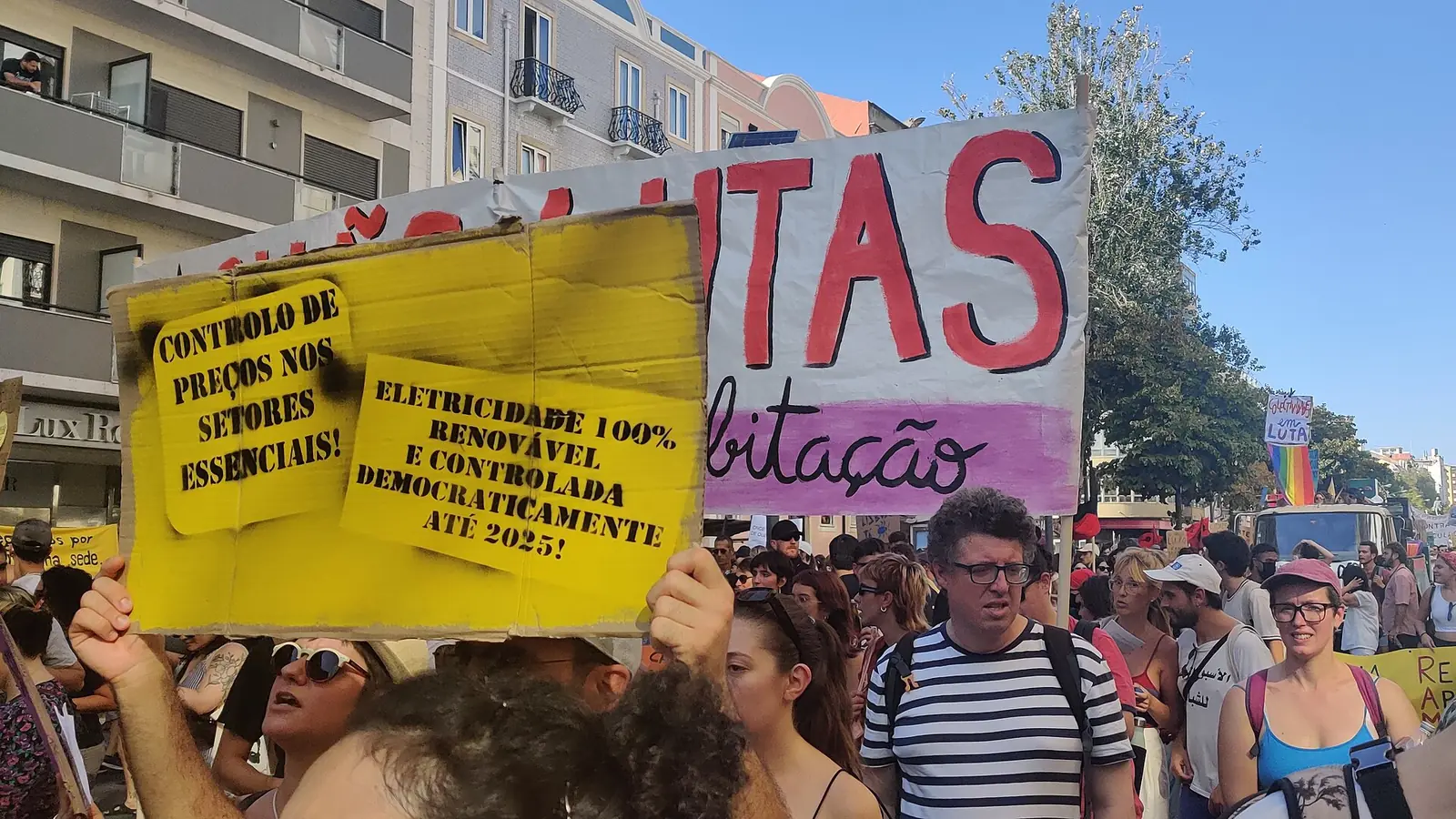
- Portugal, October 10: large protests, mainly in Lisbon, over living costs and housing.
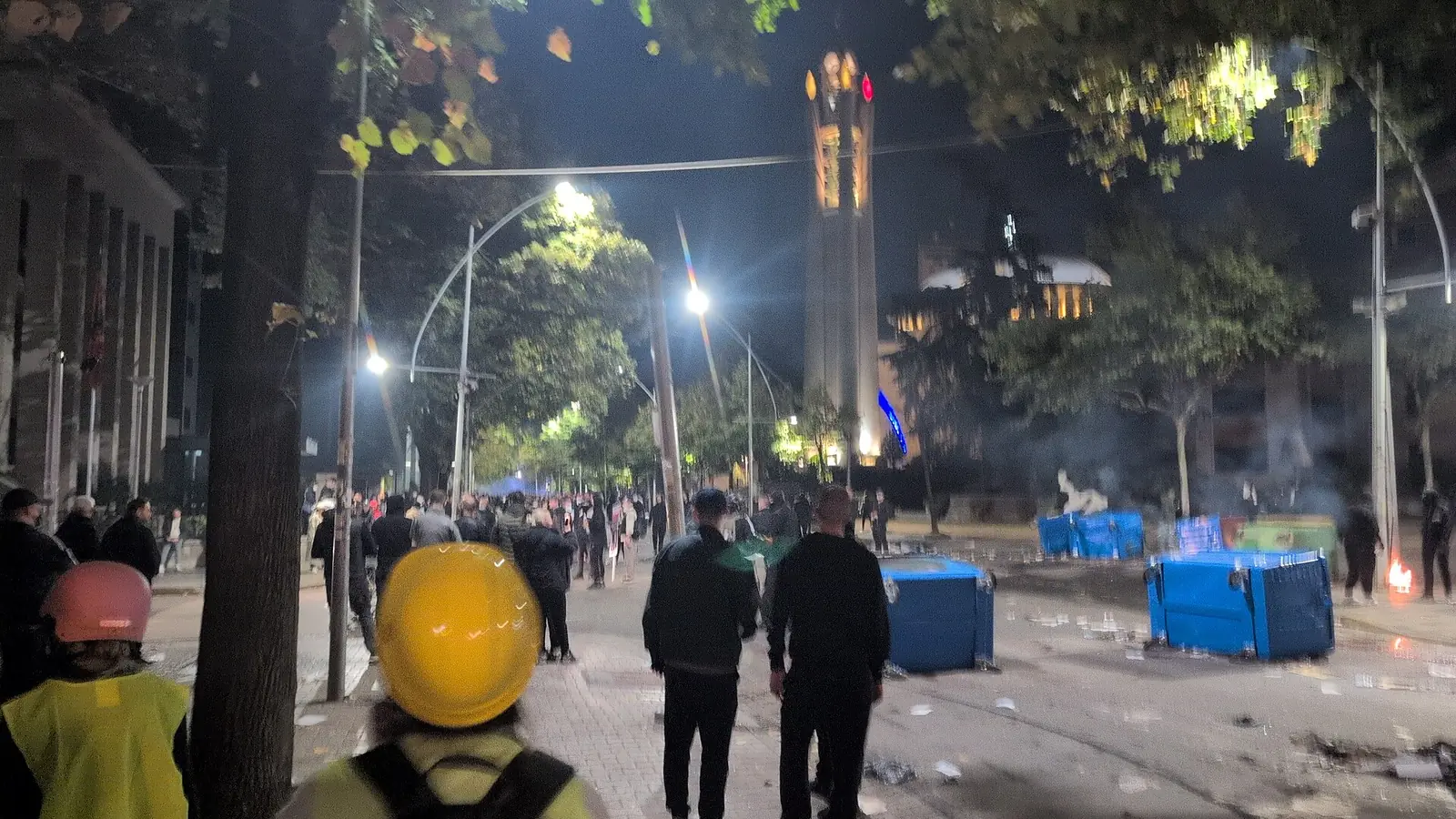
- Albania, October 12: protests in Tirana over corruption and living costs.
ABC adds that smaller demonstrations have been recorded in Greece, Austria, Ireland and Germany.
What is shared
Most grievances relate to the rising cost of living, ABC says. The AP describes the protesters as largely young and lists rising fuel costs, discontent with schools, declining public services and a housing crisis as the common drivers. It cites September inflation of 4.2% in Italy, above the eurozone's 3.8%. A University of Deusto sociologist told the AP that young Europeans feel "a strong sense of uncertainty and a lack of control."
Alberto Alemanno, a professor of EU law at HEC Paris, told Al Jazeera that France is the epicentre of unrest that is spreading, but described several simultaneous protests rather than a single movement, linked by grievances such as underfunded education, living costs and uncertain prospects for students.
What differs
The causes and the protests' character vary from country to country:
- Albania stands apart, ABC says: its protests centre on corruption and grew out of months of demonstrations against a coastal resort project. Protesters there demand Prime Minister Edi Rama's resignation.
- Spain and Portugal are driven chiefly by housing, with tent camps in Madrid, Lisbon and Porto, the AP reports. In Spain, Prime Minister Pedro Sánchez called a snap election for November 29 after legislators rejected his housing reforms, according to ABC.
- Belgium's protests are about education costs and reforms in the French-speaking school system.
- Violence has not been uniform. The AP notes that masked, black-clad agitators fuelled violence in some places, while marches elsewhere were peaceful. Italy's interior minister said those who rioted in Milan had gathered spontaneously through social media, Il Sole 24 Ore reported.
How governments have responded
ABC reports that France has imposed curfews and held crisis talks, while Italy, Portugal and Belgium have condemned the violence without offering concessions. Italy is sending 500 more soldiers to Milan, Reuters reported. Portugal's government said it would not give in to street protests, Al Jazeera reported. Rama has refused to resign and blamed foreign hands.
How the protests are being framed
Political leaders have offered competing explanations. French President Emmanuel Macron blamed radical left-wing vandals for hijacking a movement with legitimate concerns, ABC reports; far-right leader Marine Le Pen blamed the government. US President Donald Trump wrote on Truth Social that migrants "have taken over France," the AP reported. None of the reports read attributes the protests to migration; they describe their causes as living costs, schools, public services and housing.
What comes next
Analysts quoted by ABC and Al Jazeera expect the unrest to feature in a run of national elections over the next 12 months. A new October 17 Movement in Italy has announced weekly Saturday protests, and a general strike has been called in Spain for November, the AP reports.
Still open
- Whether the smaller demonstrations ABC notes in Greece, Austria, Ireland and Germany will grow.
- Arrest and turnout figures for several countries differ between authorities, unions and news agencies.
- No report read identifies any organisation coordinating protests across borders.
The record 7 reports
The reports this article is built from; 6 were read in full for it. Each link opens the outlet's own page.
- Oct 20, 2026
- Oct 17, 2026
- PBS NewsHour (AP) · APreadFrom France to Albania, how social unrest is fueling protests across EuropeOct 19, 2026
- Oct 18, 2026
- Oct 18, 2026
- Reuters (via The Star) · ReutersreadItalian police detain hundreds as stores looted in weekend unrest in MilanOct 19, 2026
- Oct 19, 2026