ISRO completes Gaganyaan crew module-service module separation tests ahead of uncrewed G1 flight
ISRO said on October 16 that ground tests at the Vikram Sarabhai Space Centre validated the system that will separate the Gaganyaan crew capsule from its service module before re-entry. No launch date for the first uncrewed mission has been announced.
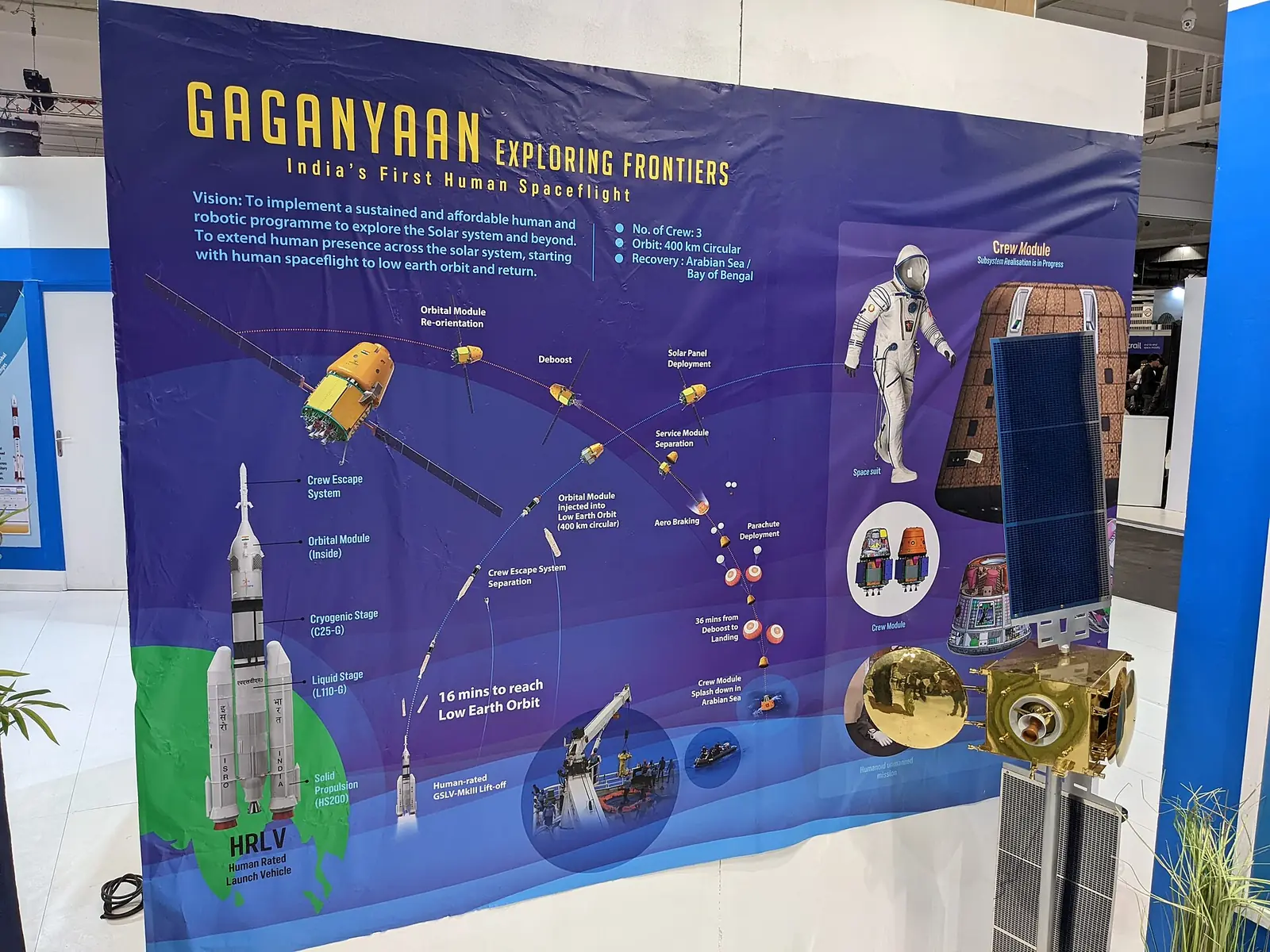
The Indian Space Research Organisation said on Friday, October 16, that it had completed a series of separation tests on the Crew Module and Service Module of the Gaganyaan spacecraft at the Vikram Sarabhai Space Centre in Thiruvananthapuram, according to an ISRO release. The agency said the tests validated the design of the separation system and gave it confidence for the first uncrewed Gaganyaan mission, G1, which it says is targeted for launch in 2026. The tests were also reported by StratNews Global, The News Mill, with inputs from ANI, and The Week.
What was tested
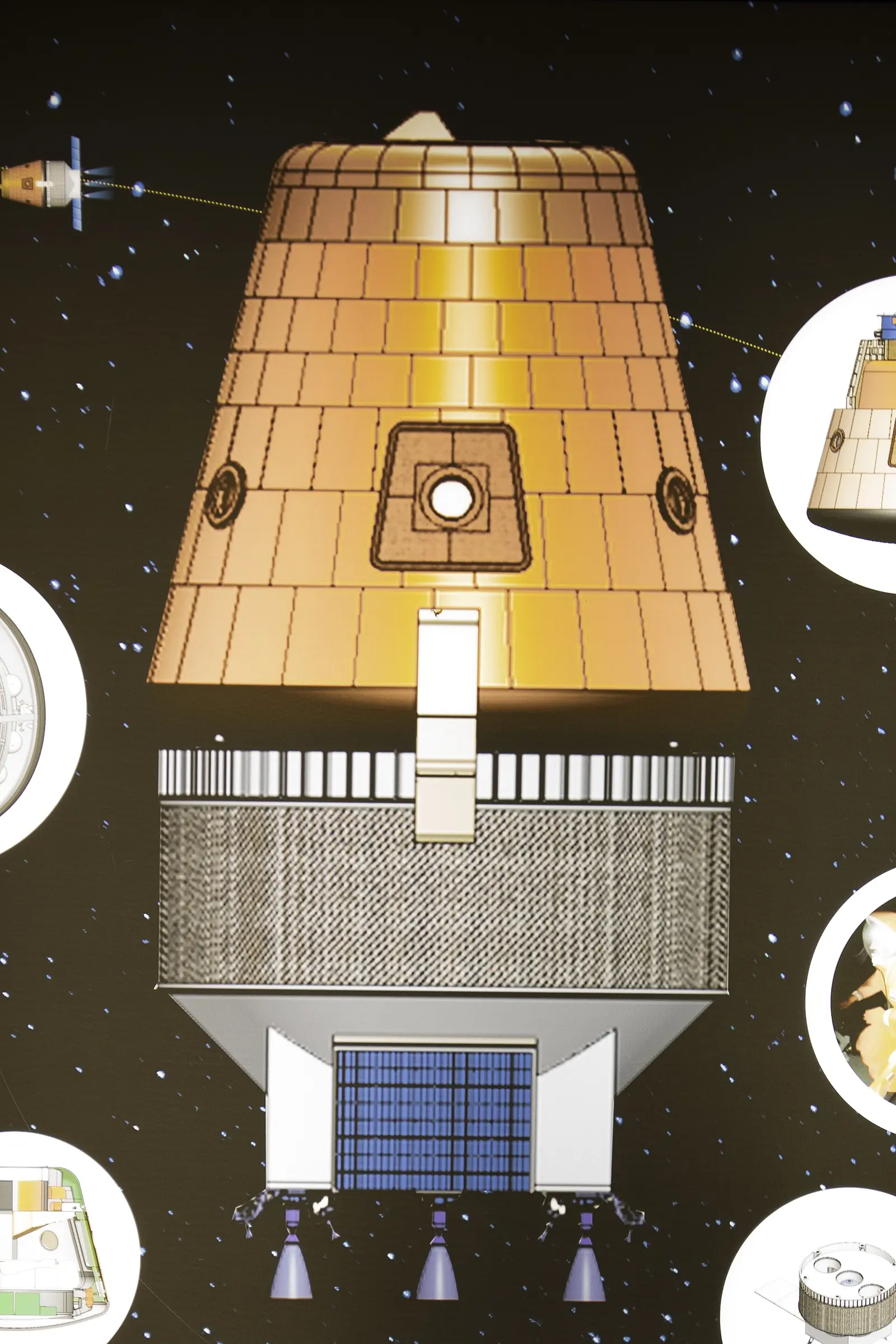
The Gaganyaan orbital module consists of a Crew Module, which carries the astronauts, and a Service Module, which supports the spacecraft's operations. The two are joined by a separation system and by umbilical connections that carry electrical and fluid services between them, ISRO said. They are launched as one unit and stay together until the end of the orbital phase. Before re-entry, the Crew Module separates from the Service Module through a timed sequence of pyrotechnic and jettisoning events.
According to ISRO, VSSC built a test set-up that reproduced the integrated assembly with extensive instrumentation. The tests simulated the separation, including the severing of several umbilical connections.
Subsystems checked for shock
The tests also checked whether Crew Module systems could survive the shock of separation and keep working. ISRO listed:
- avionics and inertial navigation systems;
- the thermal protection system on the aft and conical heat shields;
- the Crew Module deployable umbilical shield;
- pyrotechnic devices of the Crew Module uprighting system and of the thermal and humidity control system.
The agency said the results showed these subsystems could withstand the shock and function as intended. The Week reported that they came through without damage. Space analyst Girish Linganna told The Week that the avionics are the spacecraft's "electronic brains" and the thermal protection system its armour.
Where G1 stands
The Week reported that ISRO had earlier this year qualified the crew module's uprighting system, the umbilical connect-disconnect mechanisms and the loads on the apex cover. It said the G1 crew module was dropped from an aircraft in April to test its parachute descent and has since been fully integrated with its propulsion and control systems.
G1 will carry Vyommitra, a half-humanoid robot, according to The Week. No launch date has been announced. The Week said ISRO Chairman V. Narayanan had said in June that the launch was expected in the last quarter of 2026, and repeated in September that it would fly within the year. ISRO's release and the StratNews Global and News Mill reports give only 2026 as the target.
The programme has slipped several times. The Week noted that the first uncrewed flight was originally planned for December 2020 and later expected in December 2025, and that the first crewed flight is now targeted for 2027.
Still open
- No launch date for G1 has been announced; The Week cites reports of a window from mid-October to early November 2026, which ISRO has not confirmed.
- The reports read do not say how many separation tests were run or over what period.
The record 5 reports
The reports this article is built from; 4 were read in full for it. Each link opens the outlet's own page.
- ISROreadISRO successfully completes Crew Module-Service Module Separation Tests for Gaganyaan ProgrammeOct 16, 2026
- Oct 17, 2026
- Oct 16, 2026
- Oct 17, 2026
- Oct 17, 2026